


You don’t have to be a cartoonist to have animation be a big part of your life. Animation is everywhere—in our homes, schools, work, and everywhere there’s a screen. And if you grew up in the United States, chances are you’ve witnessed seminal accomplishments in animation history without even knowing it. Does Snow White and the Seven Dwarfs ring a bell? What about Toy Story…or The Flintstones? These works marked important milestones in animation, an art form that continuously challenges its creators to push technology so artists can to bring to life what the mind can imagine. Let’s celebrate it.
ou
don’t have to be a cartoonist to have animation be a big part of your life. Animation
is everywhere—in our homes, schools, work,
and everywhere there’s a screen. And
if you grew up in
the United States, chances are you’ve witnessed seminal
accomplishments in animation history without even
knowing it. Does Snow White and the Seven Dwarfs ring
a
bell? What about Toy Story…or The Flintstones? These
works marked
important milestones in animation, an
art form that continuously challenges its
creators to
push technology so that anything that can be imagined
can also be brought to life.
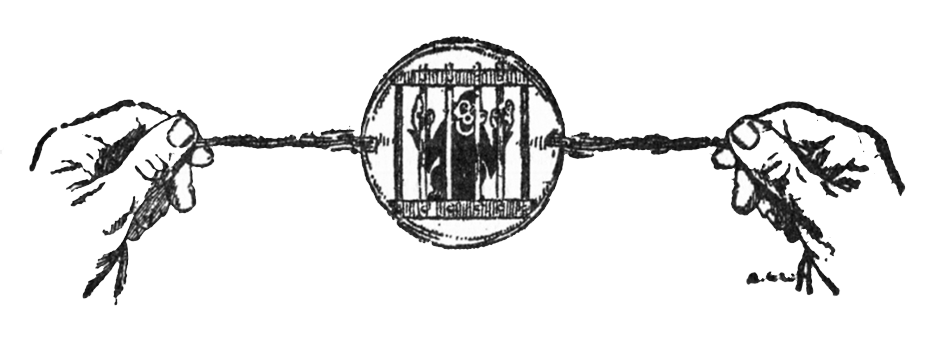
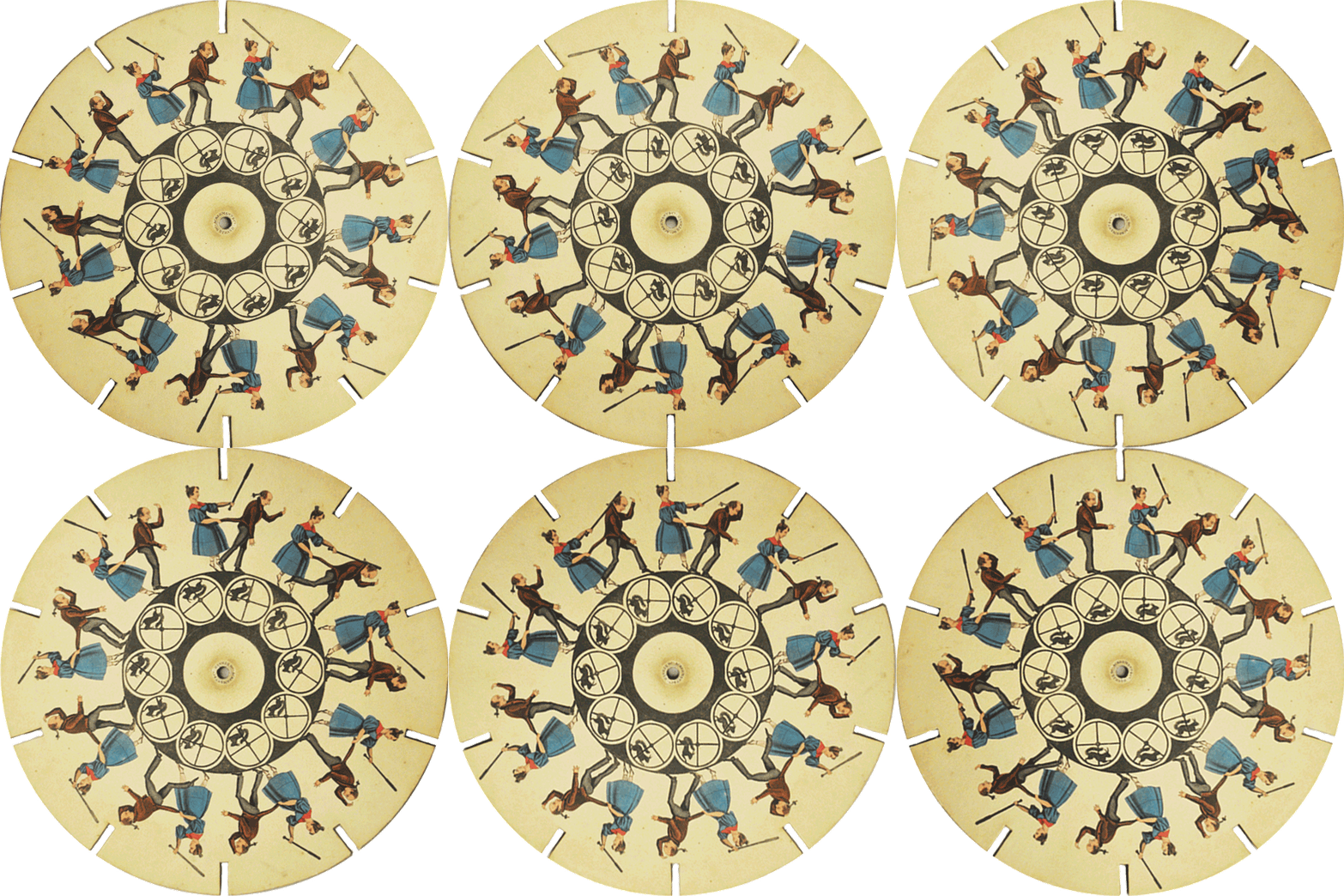
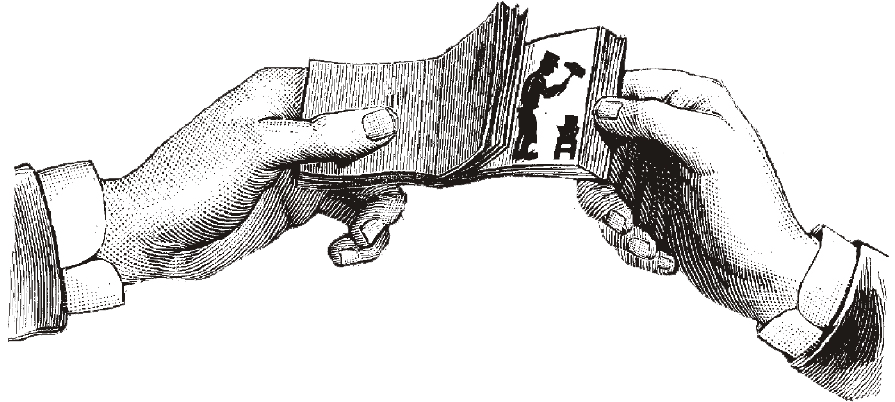
Archeological artifacts prove that we’ve been attempting to depict things in motion as long as we’ve been able to draw. Some notable examples from ancient times, as well as an example from the
European Renaissance, include:
.png)

A bronze-age pottery bowl depicts goats leaping
(Shahr-e Sukhteh, Iran).
The Google search engine shows great early indicators and starts to see great usage amongst users and as a result it also gains traction to new investors. The office also moves its way to Palo Alto, California.
Alongside Google search, Google launches its new platform AdWords where customers are able to advertise directly on Google on a per-per-click model. It was in this same year that users were really starting to understand the importance of ranking well on Google.

How often a keyword appears on a page.
The same content found on multiple pages.

Groups of websites linking to each other to boost rankings.
Words or links that are invisible to people but visible to search engines.
Showing different content to search engines than to visitors.

Using too many meta tags to try to influence search rankings.
As user traction increased and so did the complexity of the search engine, Google first introduced its series of nature, concepts, animals or phrases to represent the nature and goal of the algorithm update. The first update was named PageRank which looked at assigning a value to a page which was aggregated by the numbers of backlinks from domain to domain hence birthing the importance of backlinks in SEO.
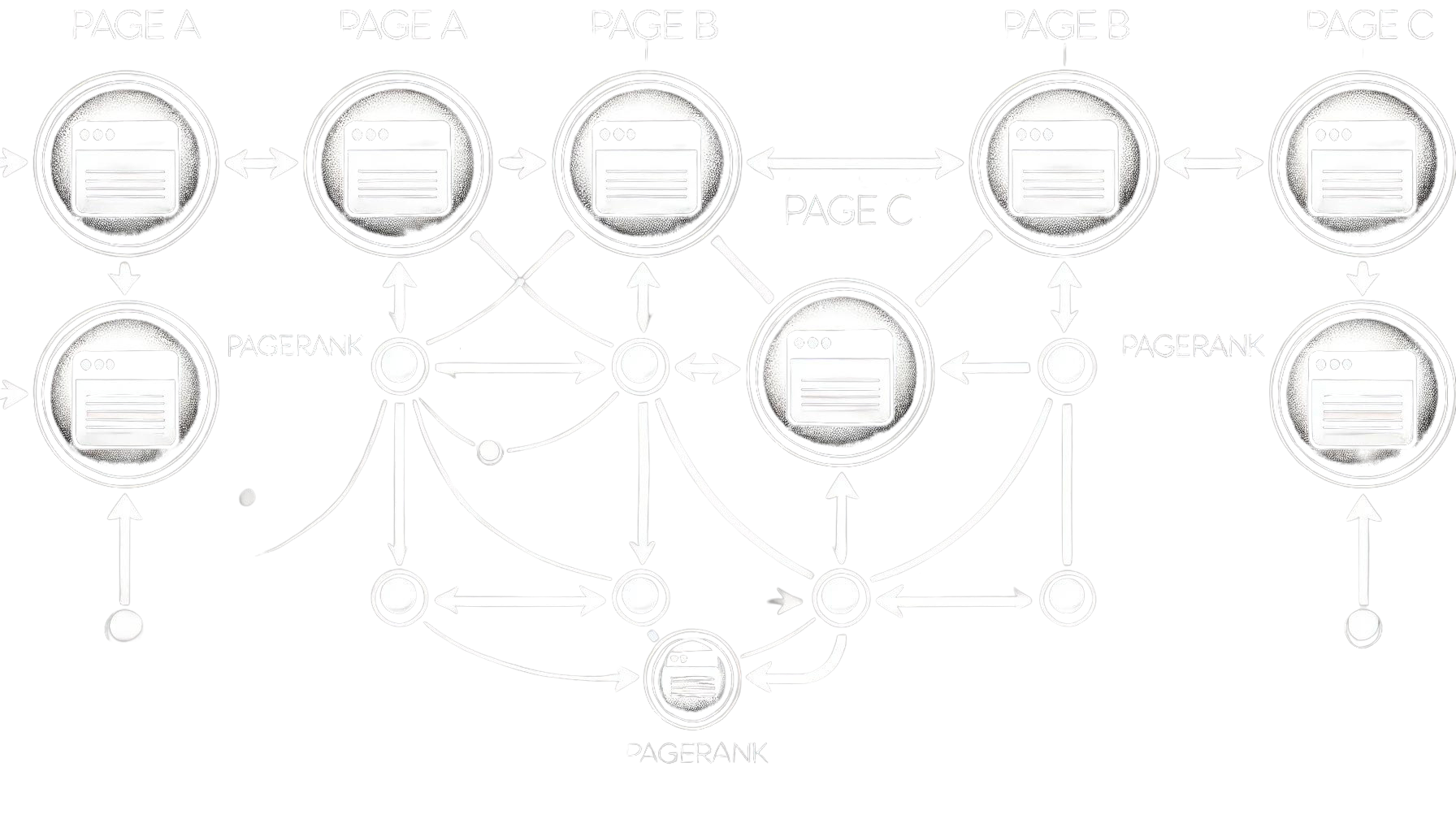
By now Google search had a significant user base and one of the major tactics used amongst users to rank well on search was keyword stuffing amongst other manipulative tactics. Rightfully so Google released its first major algorithm update which aimed at targeting this issue by re adjusting the weighting of simply jamming keywords and manipulative tactics to gamify backlinks.
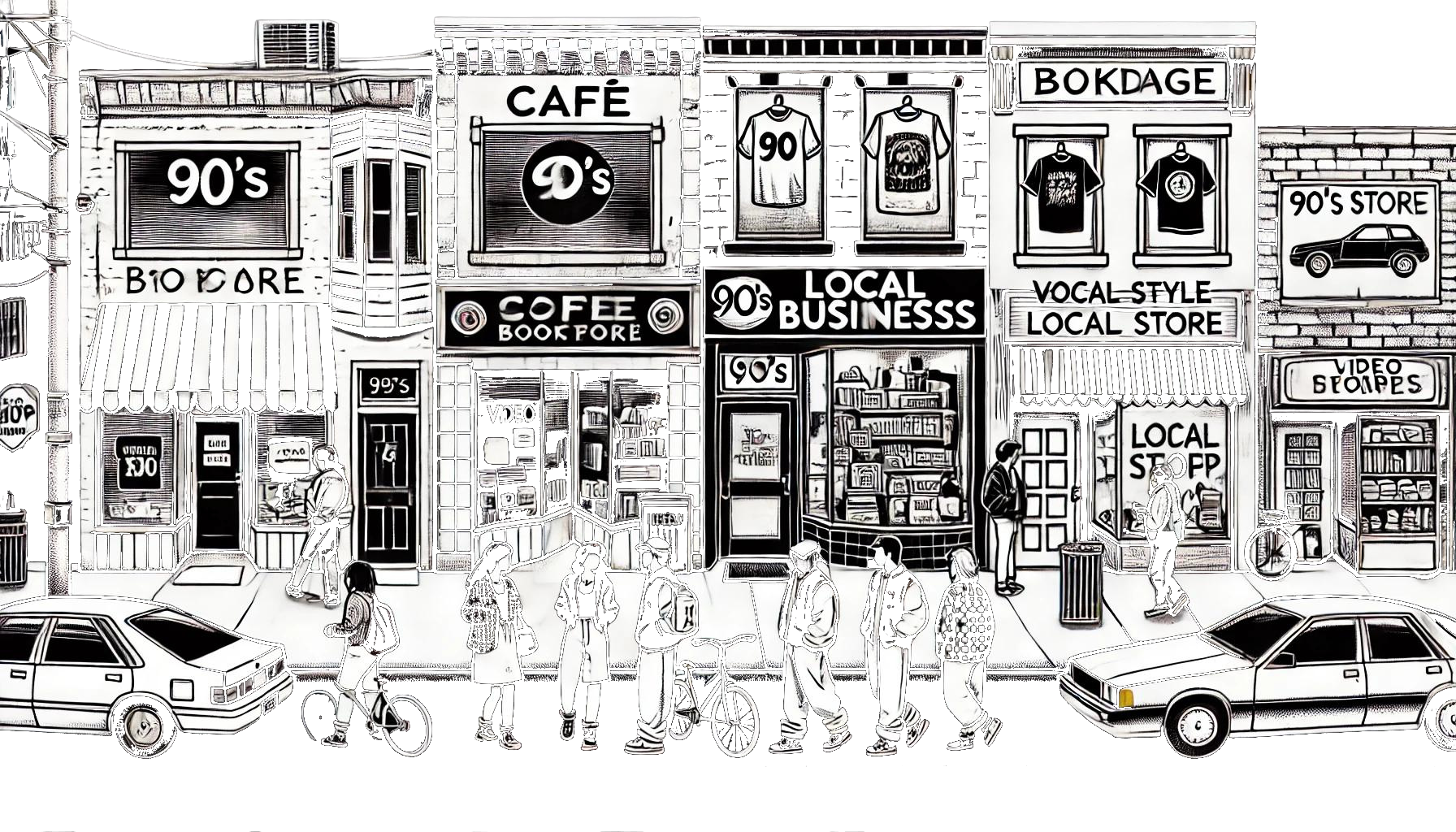
The introduction of Google local, where businesses and other entities were listed on a directory kind of like a digitised version of the yellow pages where local search results and organic search results were integrated together. This was the beginning of the term “Local SEO”
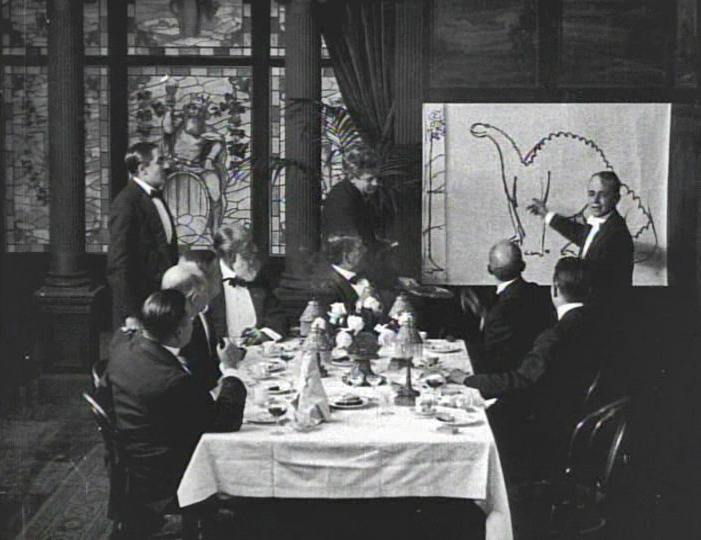
A bronze-age pottery bowl depicts goats leaping
(Shahr-e Sukhteh, Iran).
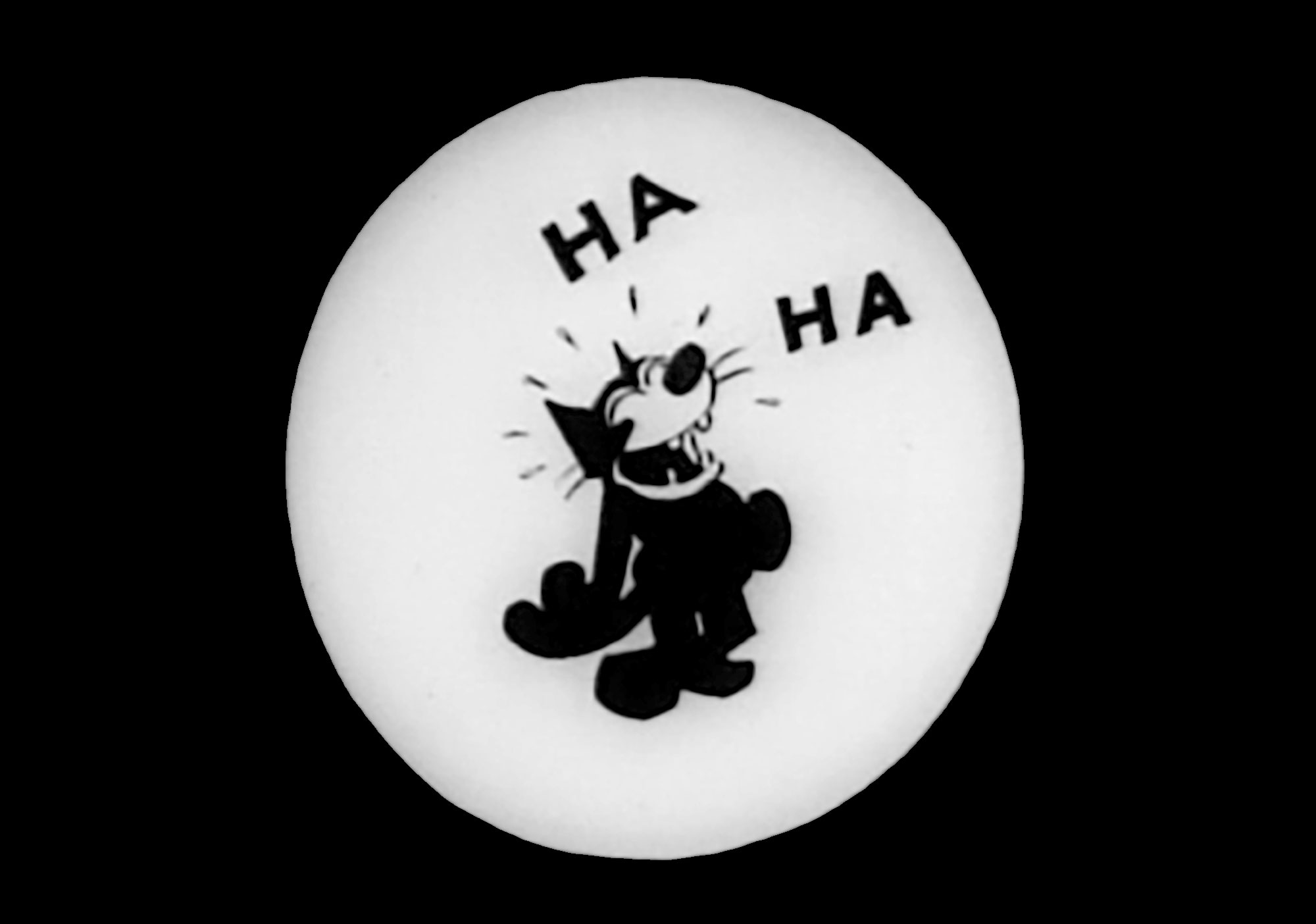
Musical Mews and Feline Follies introduced Felix the Cat—often
considered the first animated movie star.
By the mid-2000s, the 2002 PageRank update needed improvement. The "nofollow" tag was introduced, allowing webmasters to indicate that certain backlinks should not pass page authority. The Jagger and Big Daddy updates were designed to rank pages based on the relevancy and quality of backlinks, significantly reducing the impact of web spam backlinks from blog comments and forum threads.
The birth of a diversified Google search, this is where “Universal search” aka “Blended Search” or “Enhanced Search” came about, giving life to Google search and introducing videos, images, news and local results creating a 10 listing page 1 search.
in 2007 there was extra emphasis needed on handling paid links, and really pushing the importance of natural link building rather than gamifying the system.
Rare original layout drawing featuring Mickey
and Black Pete from Steamboat Willie.
This original page from the script of Steamboat Willie,
was found in Walt Disney’s files years after he died.
n 2008, Google introduced a feature that revolutionized the way we search for information online: Google Suggest. Have you ever had a question in your mind but weren't exactly sure what you were looking for? That’s where Google Suggest comes in handy. Just below the top organic searches, you'll see a suggestion box that predicts and completes your query.
This ingenious feature considers various signals behind the scenes as you type. It factors in the popularity and relevance of potential search terms based on your query. Additionally, it takes into account your past search history, current location, and the language and tone of your search. In a way, it feels like Google is reading your mind—but in a good way. It respects your privacy while enhancing and enriching your search experience, lending you a hand to find what you need more efficiently.
An update was released called “The Vince” which shifted the importance of brand recognition and trust, meaning when searches happened there was a higher chance and more prominence given to more well-known brands and they were more likely to appear higher in search results, things like brand searches and number of branded anchor backlinks helped provide signals associated with a more prominent brand.


With the exponential growth of Google search, Google needed a way to improve their indexing infrastructure whilst also future proofing for further growth. So an update called “Caffeine” was released which looked at supercharging the Google indexing infrastructure. Which meant overall more efficient crawling of websites.
Google’s animal arch inspired algorithm updates finally begin with its first animal themed update called “Panda” was released, with the abuse of keyword stuffing and sheer volume of poor quality content surfacing high on search without providing any real value to users but rather as a means to gamify the system. Google introduced Panda to literally eat up and target thin, low quality content in particular targeting content farms and websites with poor user experience.
Google’s animal arch inspired algorithm updates finally begin with its first animal themed update called “Panda” was released, with the abuse of keyword stuffing and sheer volume of poor quality content surfacing high on search without providing any real value to users but rather as a means to gamify the system. Google introduced Panda to literally eat up and target thin, low quality content in particular targeting content farms and websites with poor user experience.
Following the animal Arch the next algorithm update is named Hummingbird, with a nice complex boost to the way Google search understands text more deeply also known as the Google ability to understand natural language for simplify its the ability to understand text structure better as well as sentiment and emotional tone behind the query it can also connect the query with associated entities as well as grammatical structure and content classification arming it with the ability to better handle complex queries and conversational search.
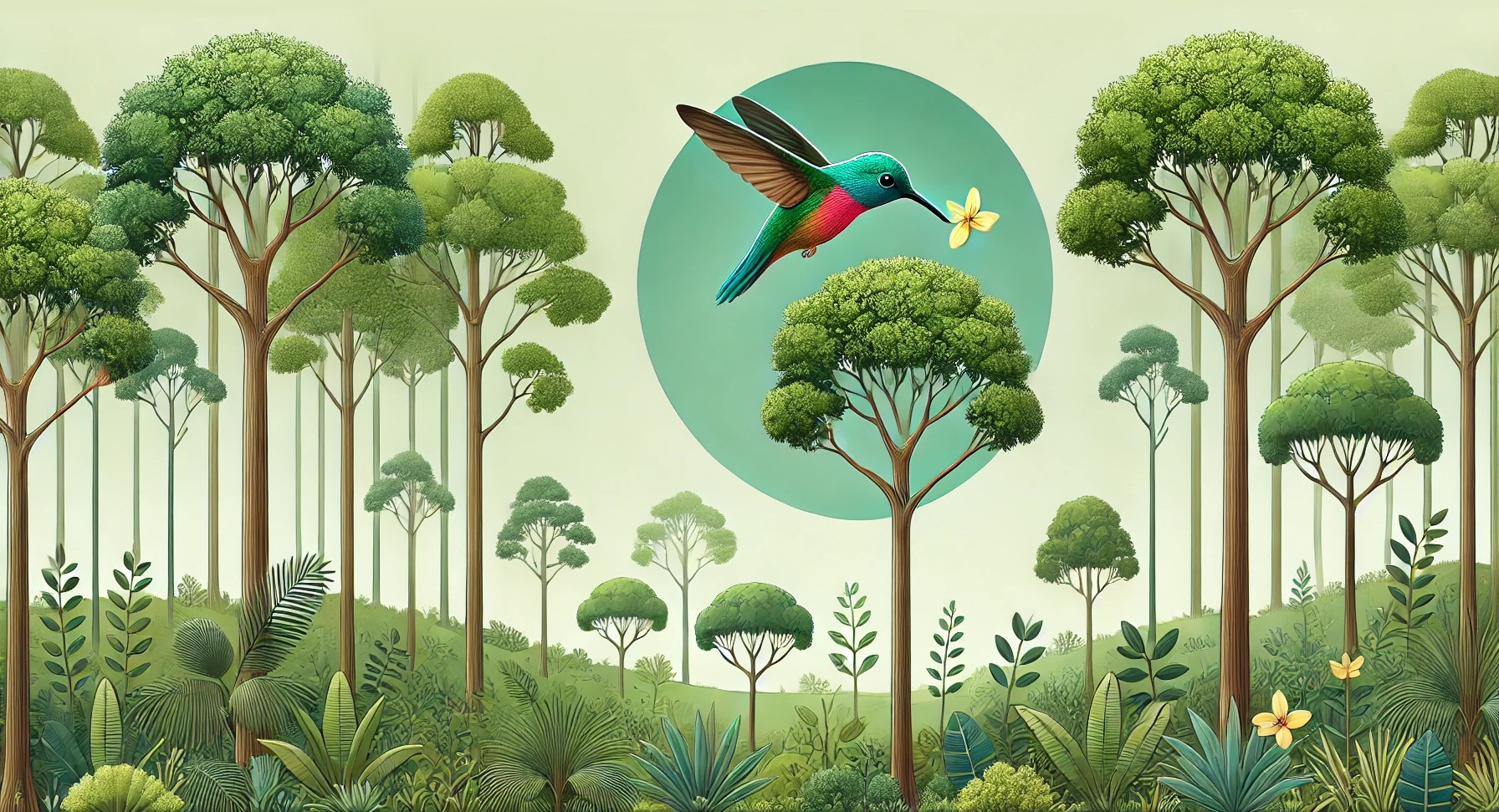

As the zoo continues to grow, this year an algorithm update named pigeon gets released with a focus on secured domain connection through Https protocol, the pigeon update also revisits improving the accuracy on local search ensuring at its fundamental business local and proximity being a strong factor as well as its integration with Google maps and overall improvings the accurate of local search.
With the Google zoo saga ending, births a new era, the first of its kind a focus on mobile also known as Mobilegeddon update which primarily focuses on mobile-friendly websites making up a large portion of google searches. It focuses on the usability of websites on mobile devices looking at various angles such as the load speed time and the overall responsiveness and adaptation across multiple mobile devices.
Between these years, a series of updates were released (Possum, Fred, and Medic).
There was a visual shift in Google search from the old days when Google ads were on the right side of desktop search to the standard sponsored section now seen above the organic listings. Duplicate local listings are also filtered out. Similar to the Panda update, Google introduced Fred, which also aims to target low-quality content that primarily exists to take advantage of Google AdSense. As mobile usage increased even further, Fred also focused on prioritizing indexing based on mobile versions of domains, meaning that if you weren't optimizing for mobile, your site could end up at the back end of search results. Lastly, the Medic update was a Google algorithm update that shifted focus to a new framework called E-A-T, which stands for Expertise, Authoritativeness, and Trustworthiness.
In 2019, Google released a series of core updates in March, June, September, and October, all focused on improving the relevancy of search results. These updates did not target any specific niche or vertical but affected all domains across the board. The goal was to reward high-quality, relevant content and enhance the accuracy and relevancy of search results.
In October, another significant update called BERT was released, further improving Google's understanding of natural language. Unlike previous models that read text sequentially (left-to-right or right-to-left), BERT allows text to be read in both directions simultaneously. This bidirectional approach enables BERT to better understand the context of a word based on the words surrounding it, leading to a deeper comprehension of the text. Additionally, part of this update focused on improving domain diversity by limiting double listings from the same domain, enhancing the variety of domains appearing in search results.
Fritz the Cat is released—the first animated
adult (X-rated) feature film.
In 2020, Google rolled out several key SEO updates to enhance search relevance and user experience by refining how content is assessed. The January and May Core Updates focused on improving the quality and trustworthiness of search results by further adhering to the E-A-T framework while also addressing thin and outdated content, causing significant ranking fluctuations. The Featured Snippets Deduplication update ensured that URLs appearing in featured snippets would not also appear in the top ten organic results, promoting a more diverse set of search outcomes. Passage Indexing, introduced in October, allowed Google to rank specific sections of webpages, improving the ability to find relevant information within long-form content. The December Core Update continued to fine-tune content assessment for relevance and quality, with a real focus on keyword intent and better handling of natural language and more complex queries.
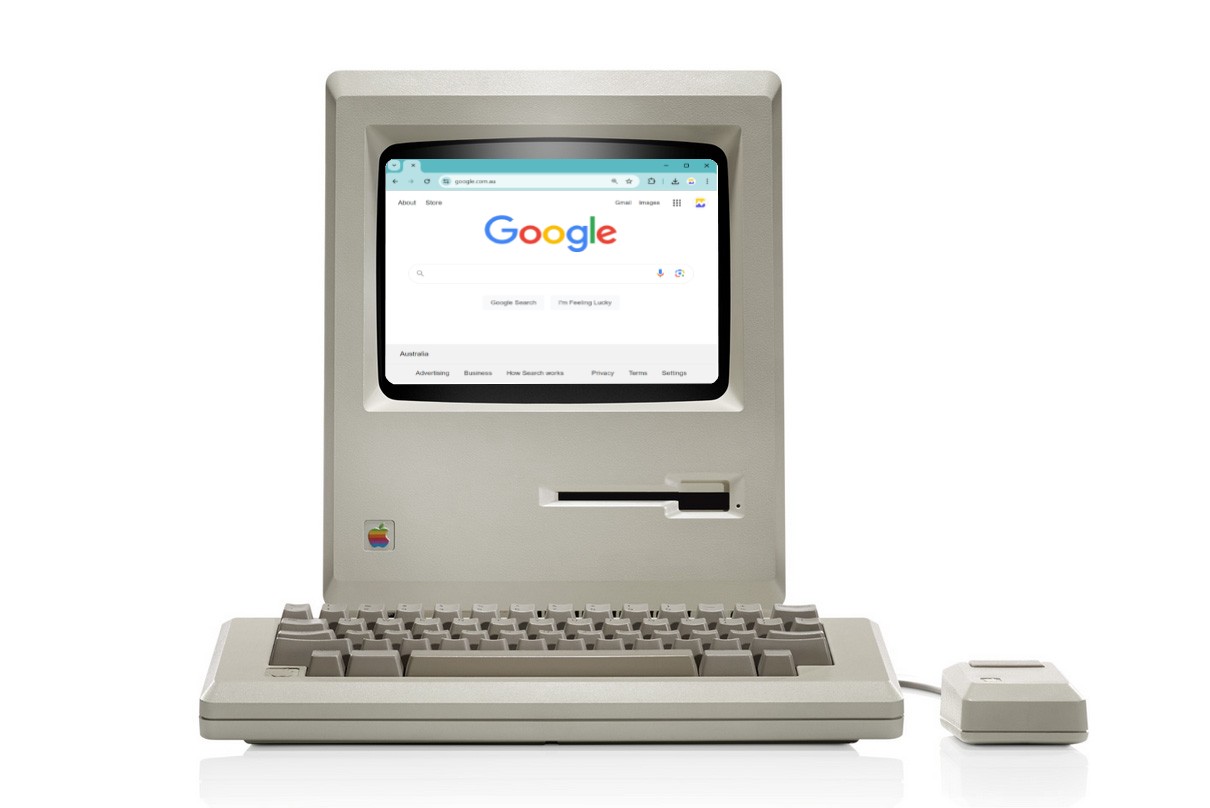
In 2021, as we’ve seen repeatedly, Google released several updates to enhance search relevancy and user experience, from search results to the moment you click a listing and see the first content. The Page Experience Update in June focused on Core Web Vitals, emphasizing page load time, interactivity, and visual stability. The February Passage Ranking update improved the ranking of specific sections within webpages, allowing individual passages to be ranked based on content relevance to a search query, even if the overall page covered a broad topic. This helped users find more precise information within long-form content. Product Reviews Updates in April and December prioritized detailed, insightful reviews. Spam Updates in June and November targeted spammy content, while the July Link Spam Update addressed unnatural link practices. The November Core Update aimed to improve overall search relevance, rewarding high-quality, relevant content and better user experiences. A common trend in these updates is Google’s emphasis on generating user-focused content rather than content designed to game the system.
The Adventures of Andre and Wally B., the first
fully CGI-animated film short

During 2022-2023, the key theme of Google's core SEO updates was to improve content standards, emphasizing expertise, authority, and trust (E-A-T), and providing a better overall user experience. Google focused on enhancing the visibility of high-quality product reviews, prioritizing comprehensive analyses, original research, and valuable insights over superficial summaries. This encouraged webmasters and content writers to create more user-focused content that offers real value. Google's ongoing efforts to provide accurate and reliable information led to continuous improvements in the weighting of content according to E-A-T signals. Lastly, there was a strong emphasis on identifying and demoting low-quality content designed for SEO manipulation, encouraging content creators to elevate their standards.
In 2024, aside from the usual web content updates that focused on improving the standard of content and ensuring it is genuinely valuable to users, generative AI became more prominent. The August Generative AI update integrated advanced AI capabilities to better understand complex queries, delivering more precise and relevant search results.
Thank you! Your submission has been received!
Oops! Something went wrong while submitting the form :(

Copyright 2024 © Blurry Marketing


.svg)
.svg)
.svg)
